Quick Answer
Preliminary data suggests cupping may have a promising supportive role for some epilepsy patients, particularly through its possible effects on regulating the nervous system, reducing stress, and easing some associated factors that may influence seizure frequency. Pre-clinical studies have shown encouraging results that deserve further research.
Cupping is therefore used as a supportive complementary treatment alongside medication, not a replacement for it, and it should only be done for a stable epilepsy patient and under clear safety controls.
Why This Article Is Different
Epilepsy is a serious neurological disease; stopping or delaying medication in search of an alternative treatment can cause dangerous seizures, and Sudden Unexpected Death in Epilepsy (SUDEP) affects around one in every thousand patients annually and is linked to poor seizure control. That is why we put the scientific truth first, before any discussion of cupping.
What Is Epilepsy, and What Is Its Approved Treatment?
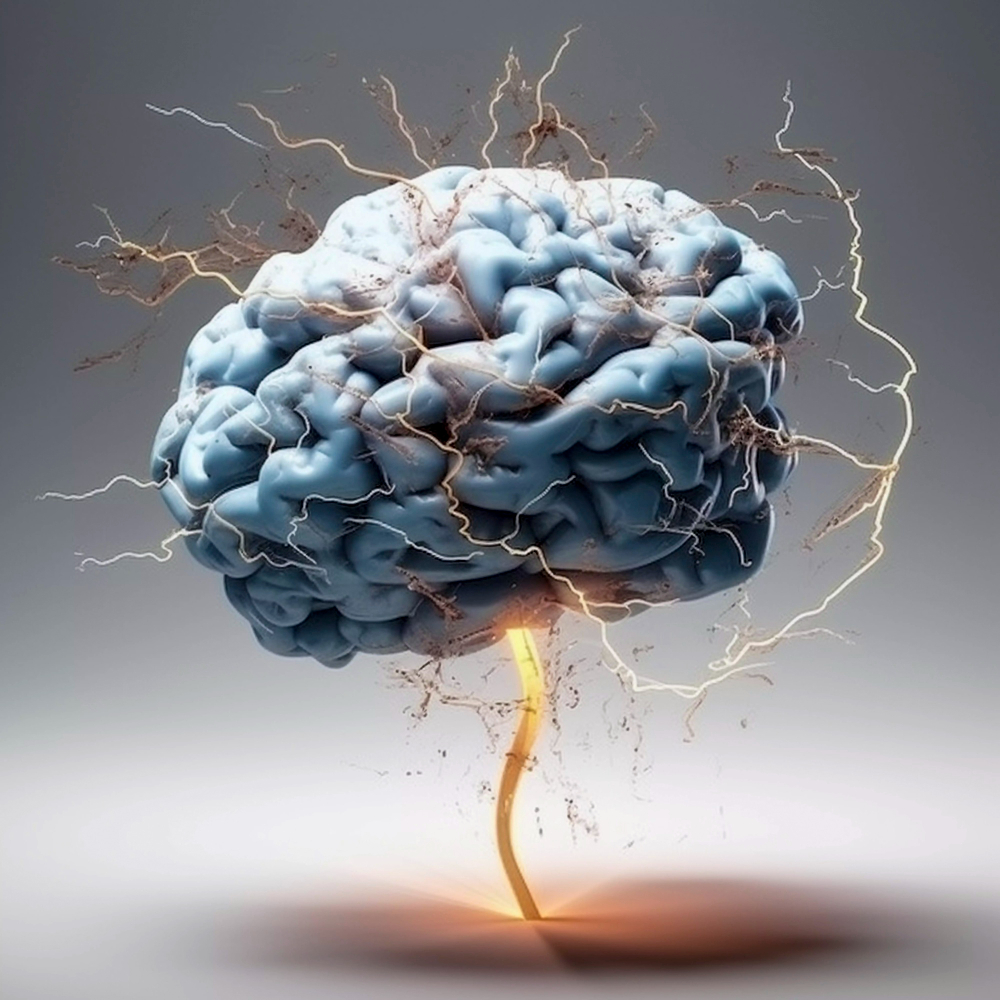
Epilepsy is a disorder of the brain's electrical activity that causes recurrent seizures, and it is usually diagnosed after two unprovoked seizures. The approved treatment is anti-epileptic medication, which controls seizures in around 70% of patients, followed by surgery, vagus nerve stimulation, or a ketogenic diet in resistant cases — all under a neurologist's supervision.
What Can Cupping Offer an Epilepsy Patient? Within Its Limits
Some readers confuse cupping with acupuncture: a 2023 meta-analysis of 17 randomized trials on 1,389 patients found that acupuncture as an adjunct alongside medication was associated with reduced seizure frequency and improved quality of life, but the researchers themselves rated the evidence as low to moderate quality and called for caution. These are results for acupuncture, not cupping, and we mention them here purely for honesty and to distinguish between the two.
What Does the Scientific Research Say?
A 2023 meta-analysis of 17 randomized trials on 1,389 patients found that cupping and acupuncture as an adjunct treatment alongside medication were associated with reduced seizure frequency and improved quality of life.
Here is everything found in scientific databases specifically on cupping and epilepsy:
2021 Animal Study — 42 Rats
2021 animal study (Konuralp Medical Journal, Turkey). Dry and wet cupping were applied to rats 24 hours before seizures were induced with PTZ. The cupping groups showed reduced seizure behavior scores compared to the untreated epilepsy group.
2019 Historical Review — Iranian Journal of Public Health
Reviewed the role of phlebotomy (Fasd) and cupping in treating epilepsy from the perspective of traditional Persian medicine. Historical and cultural value, not clinical evidence.
2022 Review of Complementary Medicine for Epilepsy in China — Acta Neurologica Scandinavica
Reviewed 62 papers on herbs, acupuncture, music, and cupping.
How Is the Session Done at Khaled Al-Zallal Centers?
- Initial assessment: type of epilepsy, medication and dosage, date of last seizure, and platelet and clotting tests when needed, with the neurologist's approval required in unstable cases.
- The session is done lying down, with a companion present, for a shorter duration, and with a clear protocol for handling a seizure should one occur (staff are trained for this).
- Starting with a therapeutic cupping course spanning 3 to 6 sessions depending on the case assessment.
- Post-session instructions emphasize adequate sleep, hydration, and taking medication on schedule.
The center uses a course of three sessions for this condition, followed by rest and reassessment, and may need 3 more sessions; the stated goal is always complementary treatment.
Conclusion
Epilepsy is a neurological disease that requires full commitment to medication under a neurologist's supervision, and cupping is not a substitute for that under any circumstances. Its cautiously supported role is easing some associated symptoms like headache and stress, only for a stable epilepsy patient, and within strict safety controls. This content is for health awareness only and does not replace consultation with a specialist physician. Cupping is an integrative support alongside your treatment plan, not a substitute for it, and the decision on whether it suits your case rests with the specialist after evaluation.