A Unique Introduction
In a world filled with conventional treatments for digestive problems, cupping therapy emerges as a distinctive therapeutic option, carrying promising potential for relieving IBS pain and easing other digestive disorders. This article not only reviews the benefits of cupping but also offers a deeper perspective that goes beyond surface-level understanding, exploring the possible mechanisms that make it a treatment worth considering—even in the face of complex challenges like irritable bowel syndrome.
Cupping and IBS: A Gentle Whisper to a Troubled Digestive System?
Many people silently suffer from chronic abdominal pain, embarrassing bloating, and frustrating fluctuations between constipation and diarrhea—hallmark symptoms of IBS and other digestive disorders. Rather than merely suppressing symptoms, cupping offers a unique approach that may help restore balance to the digestive system in gentle yet profound ways.
How Cupping May Work to Soothe the Digestive System
Although scientific research is still exploring the effects of cupping on the digestive system, several potential mechanisms are drawing attention:
-
A calming effect on the enteric nervous system:
The digestive system is often referred to as the "second brain" due to its complex neural network. Cupping may help calm an overactive enteric nervous system, which plays a key role in IBS symptoms such as pain and cramping. -
Improved blood circulation in the abdominal area:
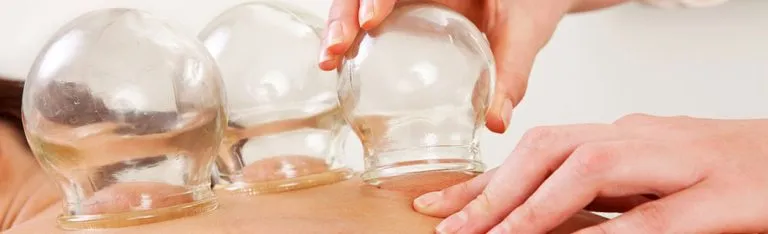
The suction created during cupping increases blood flow to the intestines and surrounding organs. This improved circulation may enhance tissue nourishment and support faster healing. -
Reduction of localized inflammation:
Mild inflammation may contribute to certain digestive disorders. Some studies suggest that cupping has anti-inflammatory properties, which may help alleviate inflammation-related symptoms in the gut. -
Relief of muscular tension in the abdomen:
Muscle tension in the abdominal wall can intensify pain and discomfort in IBS patients. Cupping may help relax these muscles and reduce spasms.
Cupping and IBS: A Window of Hope for Relief?
IBS is considered a therapeutic challenge due to its complex and multifactorial nature. Cupping offers a unique perspective in managing its symptoms, potentially helping to reduce chronic abdominal pain, minimize bloating, and regulate irregular bowel movements—whether constipation or diarrhea. However, it is important to emphasize that cupping is not a magic cure for IBS, but rather a complementary tool that can be part of a comprehensive treatment plan.
Other Digestive Disorders: Can Cupping Help?
Beyond IBS, cupping may also play a role in alleviating symptoms of other digestive issues, such as:
-
Indigestion:
It may help improve stomach motility and reduce the feeling of fullness. -
Chronic constipation:
It may contribute to stimulating bowel movements. -
Irritable bowel syndrome (IBS):
As mentioned earlier, it may help relieve the main symptoms.
Scientific Research: The Need for Deeper Exploration
Scientific research on the effects of cupping on the digestive system is still relatively in its early stages. More high-quality studies are needed to confirm its potential benefits and clarify its exact mechanisms in this context.
Cupping as Part of a Journey Toward Better Digestive Health
Cupping should be viewed as part of a holistic approach to improving digestive health, including dietary changes, stress management, and regular exercise. It should not be considered a substitute for conventional medical treatments prescribed by healthcare professionals.
A Unique Conclusion
Khaled Al-Zallal Cupping Centers present a unique perspective and promising potential for relieving IBS pain and alleviating digestive disorder symptoms. Its possible mechanisms—calming the enteric nervous system, improving circulation, reducing inflammation, and relieving muscle tension—make it an option worth exploring. However, the need for more high-quality scientific research remains. Individuals with digestive issues should consult their doctors before considering cupping and integrate it cautiously into a comprehensive treatment plan. Adopting an approach that combines conventional and complementary therapies, under medical supervision, may open a unique window toward better digestive health and improved quality of life.