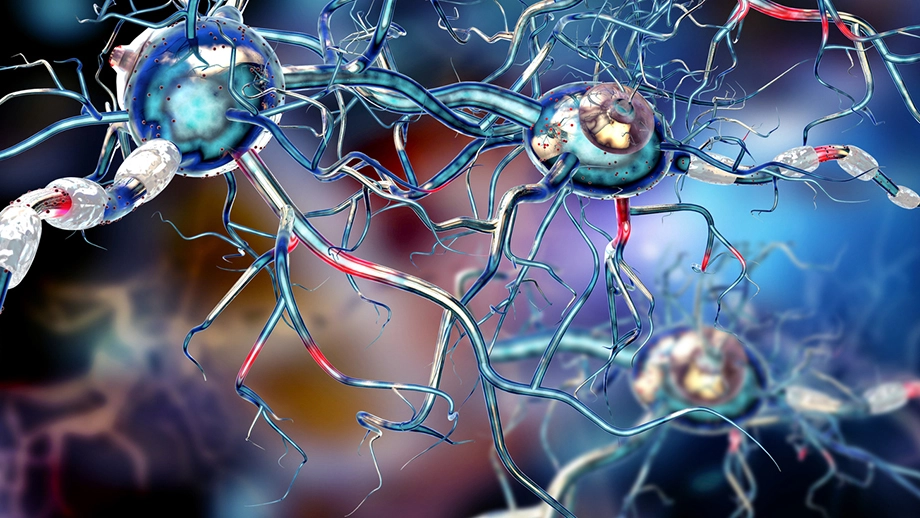
Multiple Sclerosis
& Cupping
Multiple sclerosis (MS) is an immune disease affecting the nervous system. Cupping is not a treatment for MS and does not affect its course, but it is widely used as integrative support that may help with relaxation, tension relief, muscle spasticity, and quality of life improvement, alongside your primary neurological treatment and doctor's follow-up.
Medically reviewed and approved by: Dr. Zeryab Al-Jumairi — Master of Physical Therapy, Licensed by the National Center · Reviewed and updated: June 2026
Condition Overview
Condition Definition
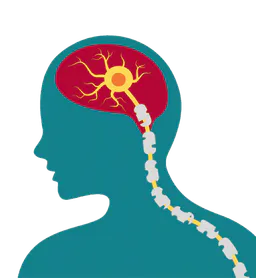
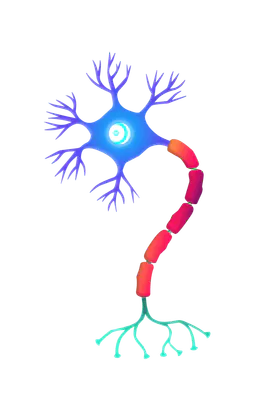
Multiple Sclerosis (MS) is a chronic autoimmune disease in which the immune system attacks the protective covering of the nerves, leading to neurological symptoms such as fatigue, numbness, muscle stiffness, and balance difficulties. We are clear that MS requires specialist neurological care and disease-modifying therapies. Cupping therapy is not a treatment for MS and does not replace medical treatment, but it may be used as a complementary approach to support relaxation, reduce stress and muscle tension, and improve overall well-being.
Important Notice
- Does not treat the disease itself
- Does not replace immune-modifying medications
- Does not affect disease progression
- Supportive only
What the Course May Help With
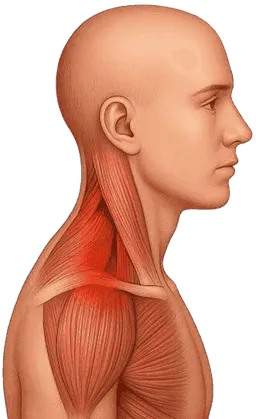
- Associated stress and anxiety
- Muscle stiffness and spasms
- Difficulty relaxing
- Poor sleep quality
What the Course Includes
An integrated therapeutic system across 3 sessions, combining four pillars that work together for deeper and longer-lasting results:
Massage Cupping
Helps relax tight muscles, reduce stress, and improve overall comfort.
Therapeutic Wet Cupping
Applied on specific points selected by the specialist to support overall relaxation.

Supportive Nutrition Plan
Balanced nutrition to support energy levels and overall health while living with the condition.
Breathing, Exercises & Relaxation
Gentle movements and relaxation techniques to improve quality of life, with follow-up via the app.
Cupping does not treat multiple sclerosis — but it can be a supportive companion for comfort and quality of life alongside your primary medical care.
What Does Science Say?
Documented Use Among Patients
Two studies — one Saudi and one Moroccan — documented that cupping is one of the most commonly used complementary therapies among multiple sclerosis patients. This reflects prevalence of use, not proof of effectiveness on the disease — and we present this with full transparency.
Continuous Follow-up via App
Your journey doesn’t end after the session. Through the center’s app, you can follow your nutrition plan and exercises step by step, with reminders and support from our team.
Results Speak for Themselves
Our medical team has observed that many clients feel relaxation and comfort after sessions. This is a supportive—not curative—role, and results vary from person to person. The specialist always works in coordination with your neurologist.
Documented Use Among Patients
Two studies — one Saudi and one Moroccan — documented that cupping is one of the most commonly used complementary therapies among multiple sclerosis patients. This reflects prevalence of use, not proof of effectiveness on the disease — and we present this with full transparency.
Continuous Follow-up via App
Your journey doesn’t end after the session. Through the center’s app, you can follow your nutrition plan and exercises step by step, with reminders and support from our team.
Results Speak for Themselves
Our medical team has observed that many clients feel relaxation and comfort after sessions. This is a supportive—not curative—role, and results vary from person to person. The specialist always works in coordination with your neurologist.
Why Khaled Al-Zallal Centers
We are clear: this supports comfort, not a treatment for the disease.
A safe integrative approach alongside your neurological care.
A team of qualified, nationally licensed specialists.
We respect the seriousness of the condition—no exaggerated promises.
Three branches in Riyadh: Al Sahafa, Al Nuzha, and Al Hamra — closer to you.
 WhatsApp