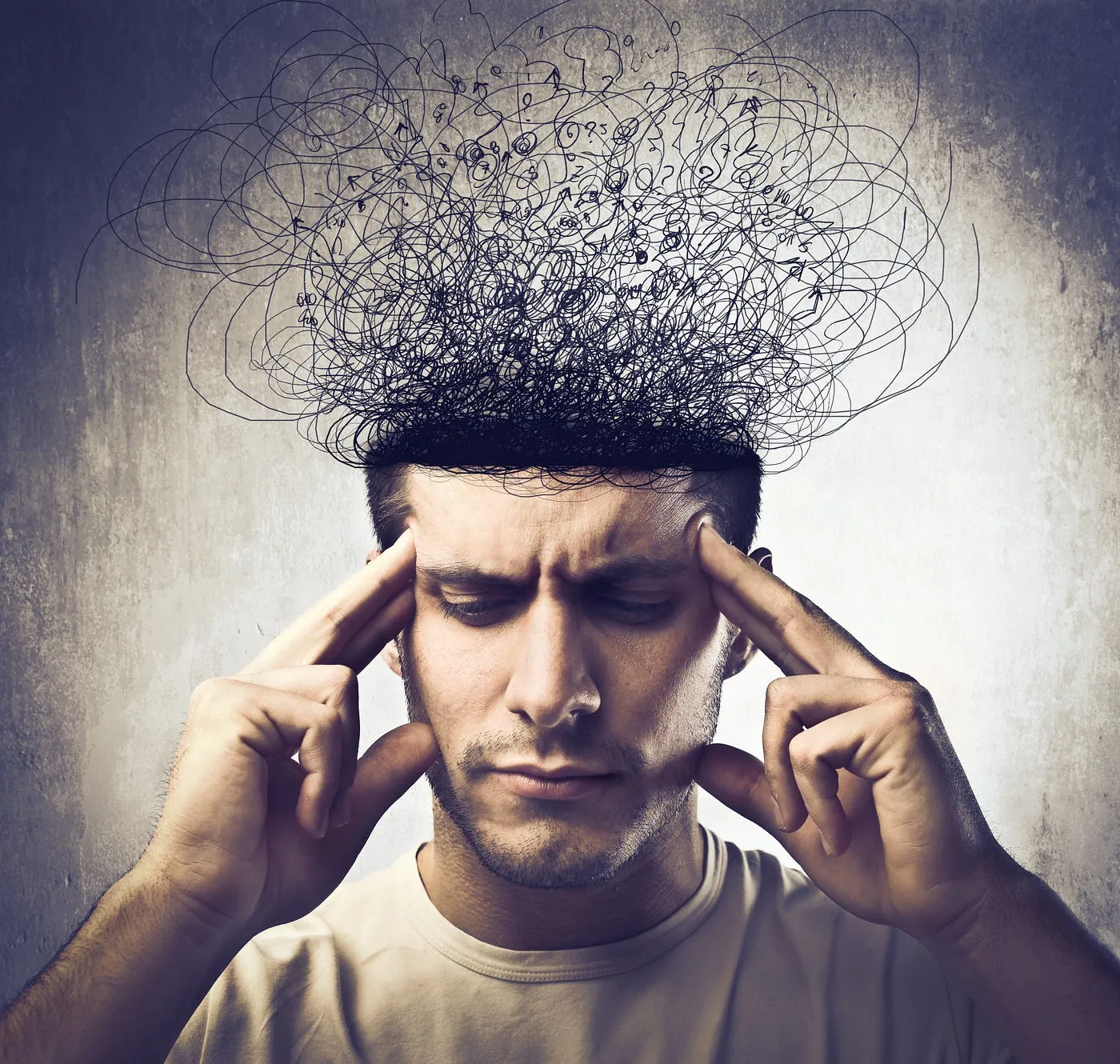
Cupping Therapy and Psychological Stress: A Window of Hope for Restoring Balance
Introduction
In the midst of modern life’s fast pace and increasing challenges, psychological stress and mental health issues have become among the most common health concerns. While conventional treatment options are many, cupping therapy stands out as a unique and promising alternative approach to restoring mental well-being and emotional balance.
This article explores the distinctive effects of cupping in relieving anxiety, depression, and stress, and highlights its potential mechanisms in enhancing psychological wellness.
Cupping: More Than Just a Physical Treatment
Cupping has long been known for its physical benefits, but its positive effects also extend to the psychological aspect of human health. It is not merely a technique for removing stagnant blood—it is a holistic practice that helps restore the body’s internal balance, which directly reflects on mood and emotional state.
Potential Mechanisms of Cupping in Relieving Psychological Stress
There are various perspectives on how cupping helps reduce psychological stress. Preliminary research suggests several possible mechanisms:
Cupping as a Complementary Therapy for Anxiety, Depression, and Stress
While cupping is not a substitute for conventional treatments in severe mental health conditions, it can be a valuable complementary therapy. It may help:
- Reduce symptoms associated with anxiety, depression, and stress.
- Improve patient response to other treatments.
- Enhance overall quality of life.
A Unique Journey Toward Emotional Balance
Experiencing cupping therapy for psychological stress is highly personal and unique. Many individuals report feeling deep relaxation, reduced tension, and improved mood after a session. With repeated sessions, some notice a significant improvement in their ability to cope with stress and manage symptoms of anxiety and depression.
Cupping: A Path Toward Holistic Wellness
Choosing cupping as part of a mental wellness journey reflects an understanding of the deep connection between body and mind. By addressing potential physical imbalances that contribute to psychological distress, cupping opens a pathway toward restoring emotional balance and achieving a better quality of life.
Conclusion
Cupping therapy offers a unique and promising perspective in managing psychological stress and mental health challenges. Through its potential mechanisms—such as promoting relaxation, improving circulation, regulating hormones, and relieving muscle tension—it can be a valuable tool in one’s journey toward mental well-being and holistic health. However, it is essential to consult qualified professionals and combine it with conventional treatments when necessary to achieve the best results.