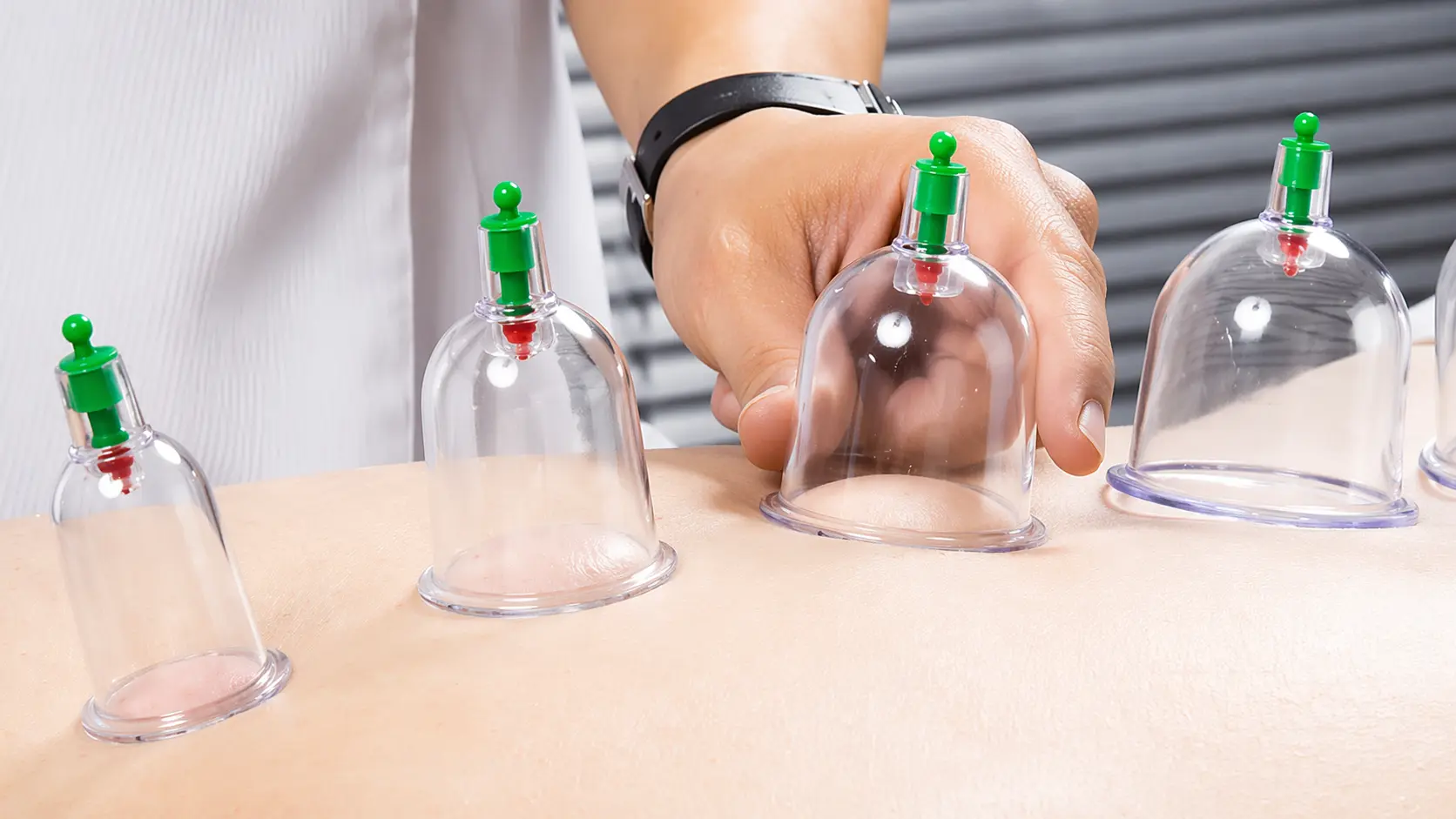
Cupping Therapy: More Than Just a Tradition – Growing Scientific Support
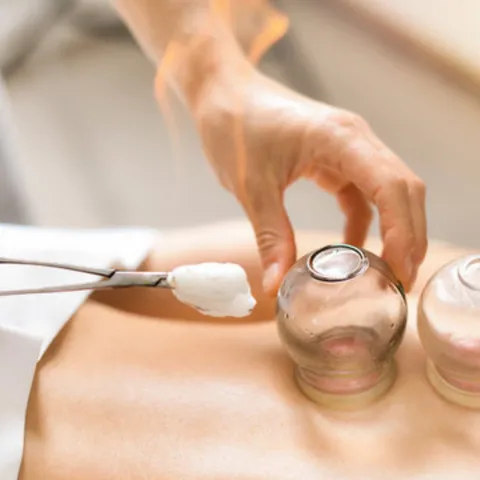
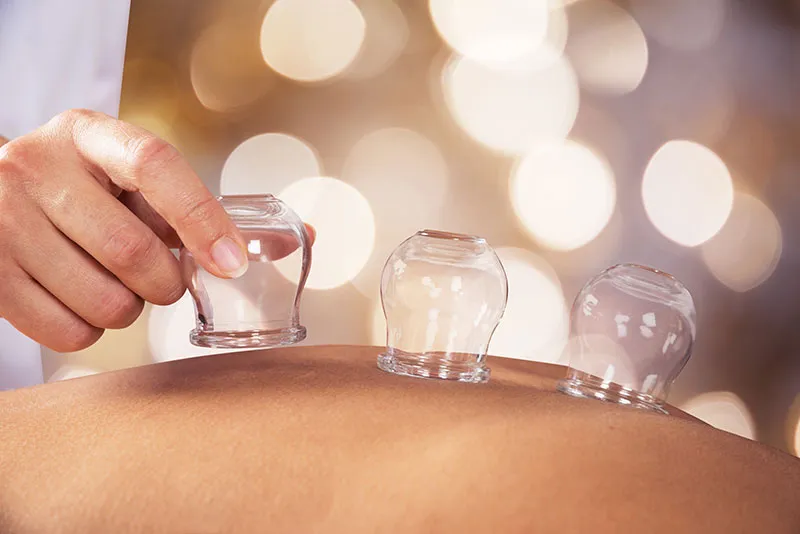
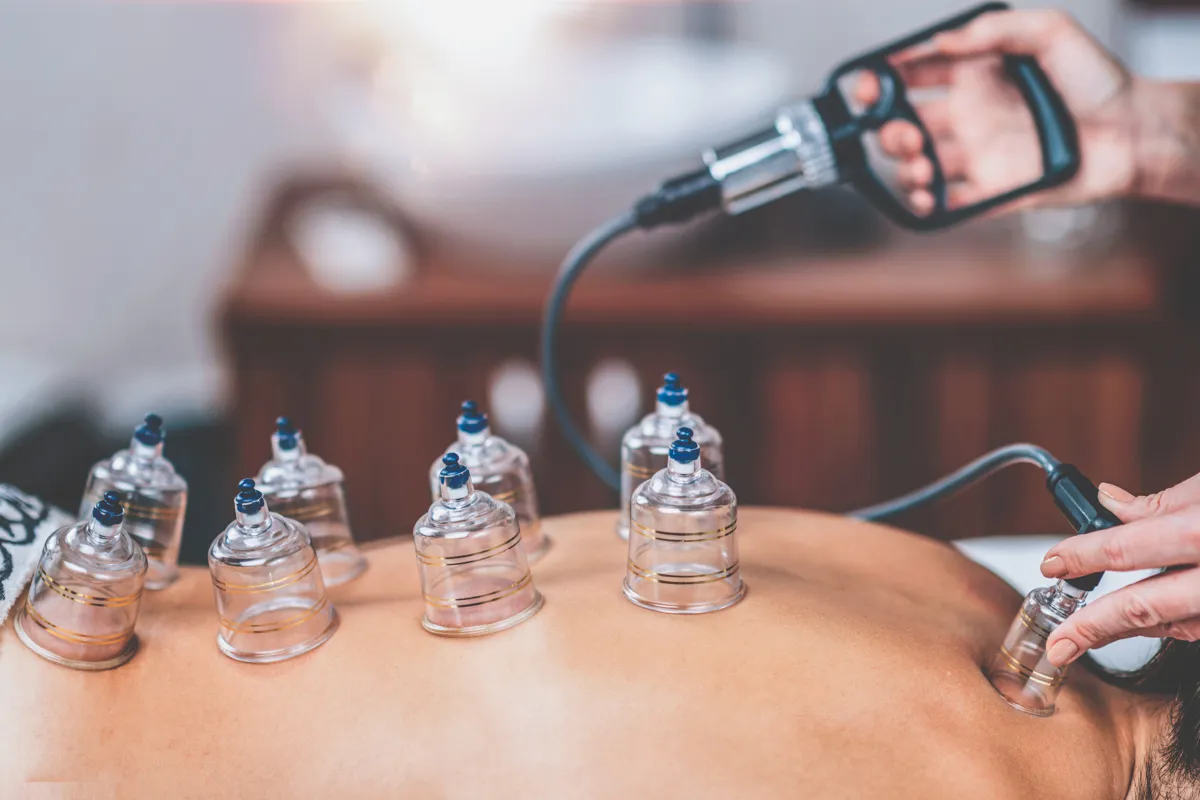
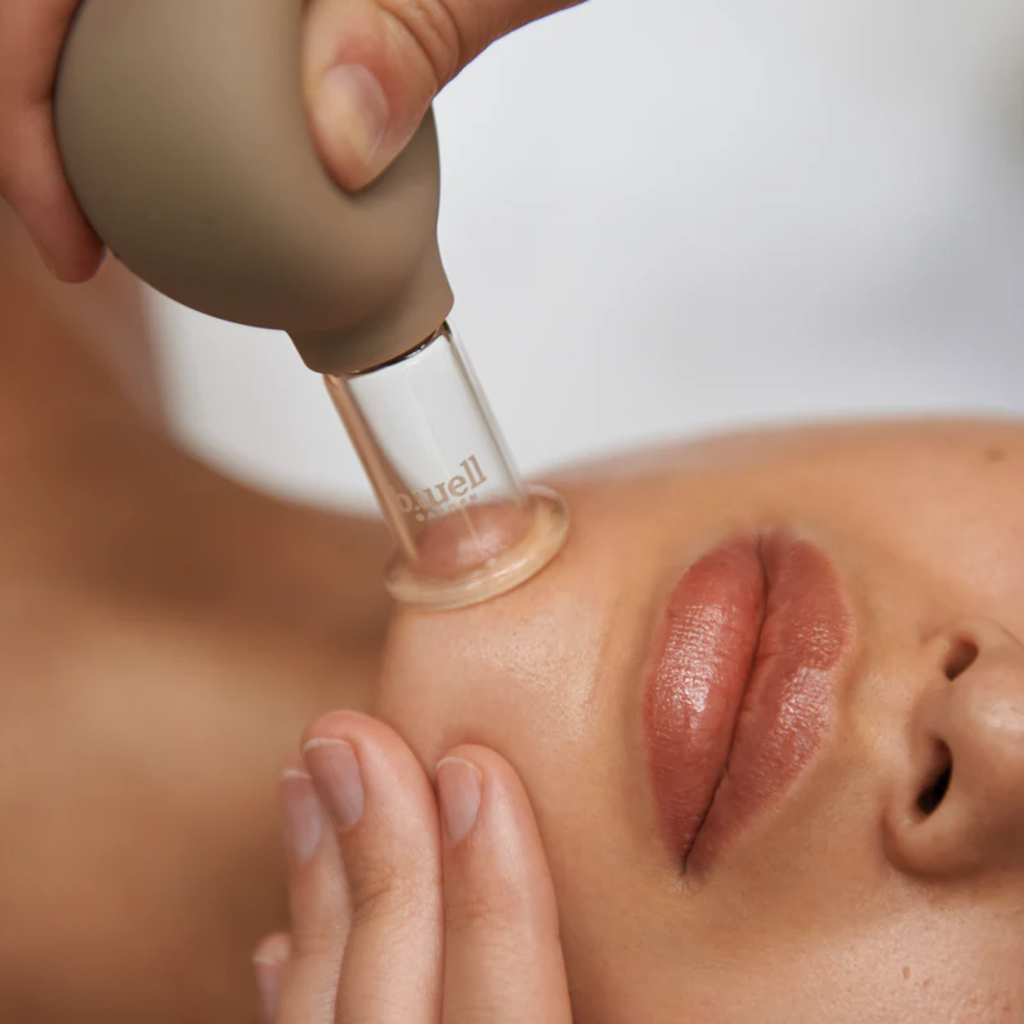
Cupping therapy has long been used across various civilizations for its purported healing effects. With the growing interest in alternative and complementary medicine, scientific research has begun to systematically explore the benefits of cupping. Rather than relying solely on anecdotal evidence, this article highlights what is supported by scientific studies while acknowledging the need for further research.
Pain Relief – A Well-Supported Strength
Pain relief is perhaps the most studied and supported benefit of cupping therapy. Numerous scientific studies have demonstrated the effectiveness of cupping—particularly dry and wet cupping—in reducing chronic back pain, neck pain, and migraines. A systematic review and meta-analysis published in Pain Medicine in 2011 suggested that cupping may be an effective treatment for lower back pain.
Inflammation Reduction – A Promising Area
A growing body of research suggests that cupping may have anti-inflammatory properties. The suction created during cupping is believed to stimulate a localized immune response, leading to the release of anti-inflammatory substances. A study published in the Journal of Traditional and Complementary Medicine in 2015 found that wet cupping significantly reduced inflammatory markers in patients with chronic neck pain.
Improved Blood Circulation – A Foundation of Health
Healthy blood circulation is essential for various bodily functions. Cupping is believed to enhance local blood circulation by increasing blood flow to the treated area, which may help accelerate healing, reduce muscle tension, and improve the delivery of oxygen and nutrients.
Relaxation and Stress Reduction – A Noticeable Effect
Many individuals report a deep sense of relaxation after cupping sessions. It is thought that cupping stimulates the sympathetic nervous system, leading to a calming and relaxing effect. An exploratory study published in Complementary Therapies in Medicine in 2014 showed improvements in anxiety and depression levels among participants after undergoing cupping therapy.
Other Areas Under Investigation
Scientific research continues to explore potential benefits of cupping in other areas, including:
- Treatment of certain skin conditions such as eczema and psoriasis
- Relief of carpal tunnel syndrome symptoms
- Enhancement of athletic performance and faster recovery
- Management of certain digestive issues
Cupping in the Context of Integrative Medicine
It is important to view cupping as part of an integrative medicine approach, where it is combined with conventional medical treatments to achieve the best outcomes for patients. Cupping should not be considered a substitute for essential medical treatments, especially in chronic or serious conditions.
The Need for More High-Quality Research
Despite the promising findings from some studies, there is still a need for more high-quality research with strong methodologies and large sample sizes to definitively confirm the benefits of cupping and fully understand its mechanisms of action.
Conclusion
Cupping therapy goes beyond being merely a traditional practice, as modern science points to potential therapeutic benefits—especially in pain relief and inflammation reduction. However, optimal use of cupping requires a clear understanding of the available scientific evidence, recognition of its limitations, and thoughtful integration into comprehensive healthcare plans. Ongoing research will continue to uncover more about the potential of this ancient practice in enhancing overall health and improving quality of life.