What is Cupping Therapy? A Comprehensive Treatment for Body and Mind
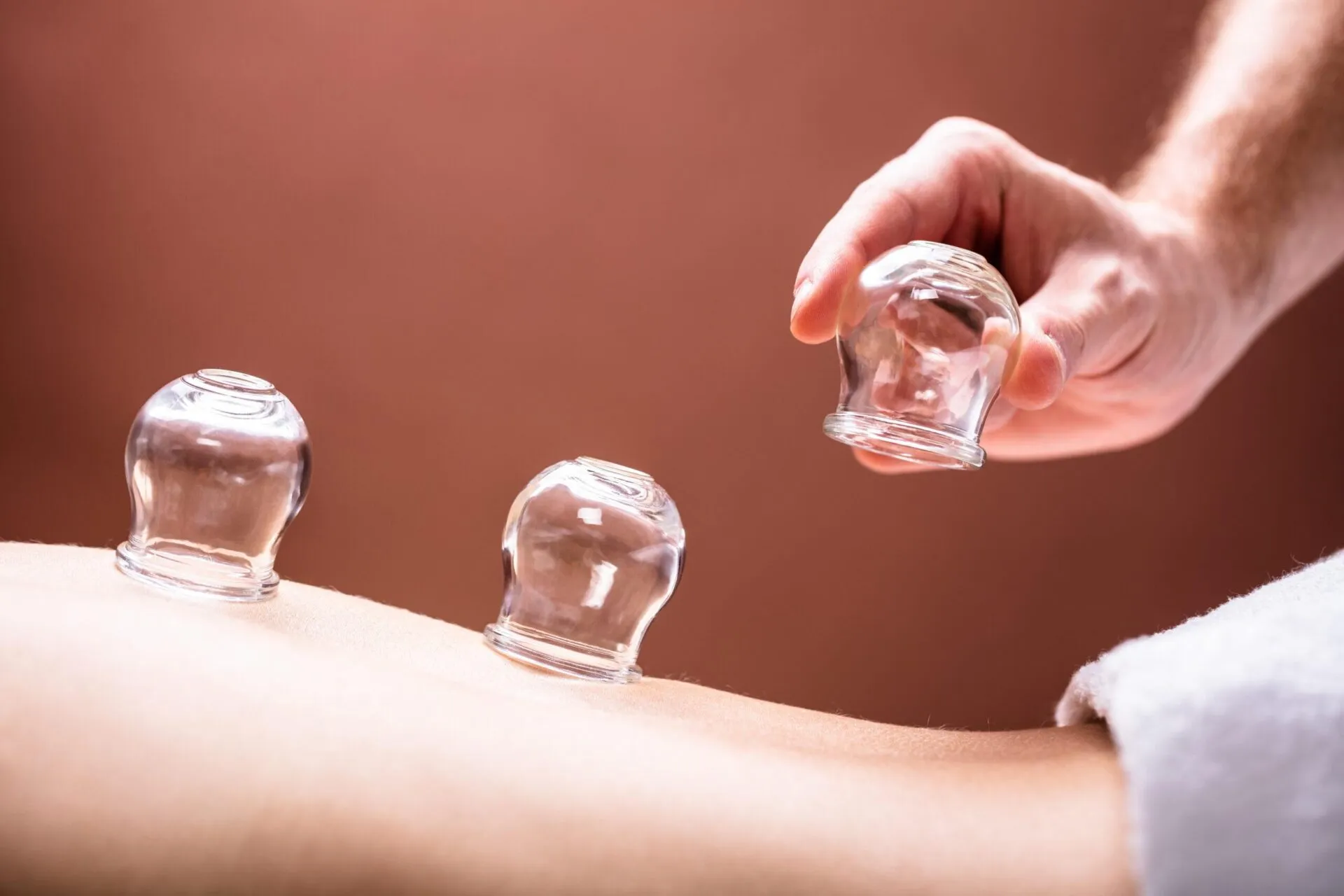
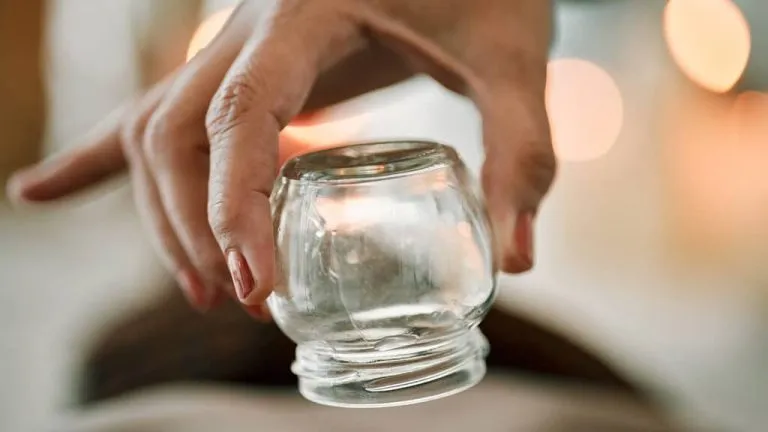
Cupping therapy is a type of alternative medicine in which special cups are placed on the skin, either hot or cold, to create suction (a vacuum effect) in a localized area. This draws the skin upward and increases blood flow to the treated area, helping to facilitate the healing process.
Cupping in Ancient Civilizations
Cupping is not a modern practice—it dates back to Ancient Egyptian, Chinese, Middle Eastern, and Greek civilizations. The Ebers Papyrus (1550 BC) contains detailed descriptions of its use.
Cupping in Prophetic Medicine
There are documented narrations of Prophet Muhammad ﷺ using cupping therapy, making it an important part of prophetic medicine and a recommended practice in Islam.
How Does Cupping Affect the Body?
Many people seek cupping therapy for various purposes, including:
- Pain control, relief, and reduction
- Reducing inflammation and treating it by improving blood flow to affected areas
- Promoting the formation of healthy tissues and blood vessels
- Enhancing relaxation, focus, and mental clarity due to improved circulation
- Providing deep tissue therapy and medical massage
- Relieving unhealthy muscle tension and supporting cellular repair
- Serving as a complementary treatment for various symptoms and medical conditions
The Physiological Mechanism of Cupping
Experts are still studying how cupping relieves pain and disease symptoms. Proposed mechanisms include:
- Improved blood circulation: suction draws fluids into the treated area
- Expansion and rupture of capillaries: prompting the body to treat the area as an injury and send healing factors
- Stimulating natural healing: increasing blood flow to the treated region
- Opening pores and releasing toxins
Types of Cupping Therapy
Cupping techniques have evolved over time. The main types used today include:
1. Dry Cupping
Relies solely on suction without making any cuts. The practitioner heats the inside of the cup to remove oxygen, creating a vacuum that pulls the skin inward.
2. Wet Cupping (Hijama)
Involves suction along with controlled medical bleeding. The practitioner gently punctures the skin before or after applying the cups to release a small amount of blood, helping remove toxins.
3. Moving Cupping (Massage Cupping)
Cups are moved across the skin using oil to facilitate sliding, combining the benefits of cupping and massage.
4. Flash Cupping
Involves quick and repeated suction on the targeted area.
Additionally, cupping may include combined techniques such as acupuncture, cauterization, magnets, laser, electrical stimulation, and herbs. Subtypes include: facial cupping, sports cupping, orthopedic cupping, and water cupping.
Materials Used for Cupping Cups
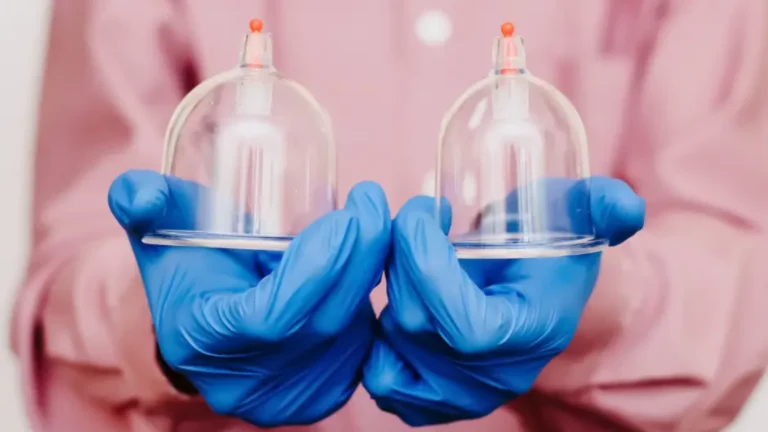
Cupping cups are typically made from various materials, including:
- Glass
- Bamboo
- Silicone
- Earthenware
- Metal
- Ceramic
Common Cupping Points on the Body
Cups can be applied to different areas of the body, most commonly:
- Along the back
- Shoulders
- Back of the neck
- Forearms
- Hamstrings
- Lower legs
In traditional Chinese medicine, cups are also placed along energy pathways (meridians) to stimulate the flow of life energy “Qi.”
Benefits of Cupping for Men and Women
Cupping therapy offers numerous benefits, including:
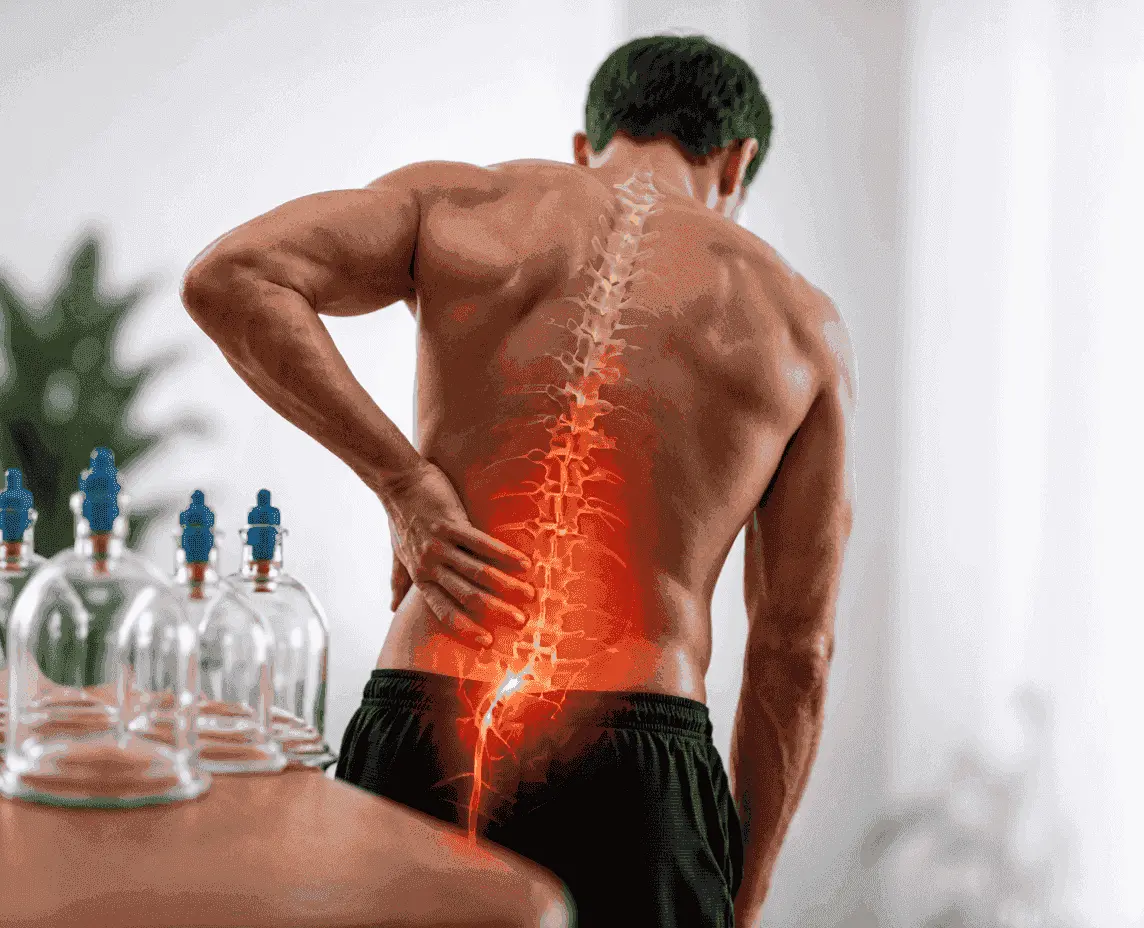
- Faster pain relief — arthritis, back pain, headaches, toothaches, muscle pain, sciatica
- Relief from chronic fatigue syndrome
- Treatment of lung conditions — chronic cough, asthma, bronchial congestion, pleurisy
- Maintaining skin health — improved circulation, acne reduction, eczema and cellulite treatment
- Relief from digestive issues
- Treatment of urinary tract conditions
- Deep relaxation
- Faster recovery after injuries and surgeries
- Support for fertility and hormonal issues in women
- Improved sleep and treatment of insomnia
Effects on Body Systems
- Skin: improves metabolism, gland function, healing, and resistance
- Muscles: enhances blood flow, lymphatic drainage, and reduces tension
- Joints: improves circulation and reduces inflammation
Cupping and Specific Treatments
Cupping and Smoking Cessation
Studies suggest cupping may be an effective complementary therapy in smoking cessation programs by helping detoxify the blood and improve lung health.
Cupping and Autoimmune Diseases
Cupping may help relieve symptoms of autoimmune diseases such as rheumatoid arthritis, lupus, and multiple sclerosis.
Cupping and Polycythemia
Cupping has shown effectiveness as a natural treatment for increased red blood cell count (polycythemia vera), compared to drug and surgical treatments.
Cupping and Sexual Health
Cupping may help treat certain sexual health issues by detoxifying the body and improving blood circulation.
Best Times for Cupping
Cupping is ideal in the following cases:
- When muscles are tight, sore, or stiff
- When discomfort is felt in targeted areas
- When stretching exercises are ineffective
Experts recommend 2–3 cupping sessions per week.
Spring is considered the best season for cupping, especially during the middle of the lunar month (days 17, 19, 21).
Preparing for a Cupping Session
Before the session, it is recommended to:
- Drink enough water
- Eat about an hour before the appointment
- Avoid shaving the target area 4 hours before the session
Contraindications of Cupping
General Cases Where Cupping Should Be Avoided:
- Sunburns, wounds, or skin ulcers
- Recent blood clots
- Internal organ disorders
- Thin, dry, or cracked skin
- Skin infections or diseases (eczema, psoriasis)
- Blood disorders (hemophilia)
- Clotting issues or use of blood thinners
- Epilepsy
- Recent fractures or dislocations
- Severe anemia
- Muscular dystrophy
- Fear of blood or bleeding
- Children under two years (for dry cupping)
- Abscesses or excessive swelling
Contraindications for Women
Cupping is not recommended during pregnancy due to insufficient research on its safety.
Aftercare Tips
What Happens After Cupping?
Some people may feel temporary fatigue, but the body gradually regains energy and circulation improves.
For Faster Recovery:
- Drink plenty of water
- Stay warm
- Get adequate rest
- Apply soothing aloe vera if needed
Avoid for 4–6 Hours After Cupping:
- Food & drinks: caffeine, alcohol, sugar, dairy, processed meat
- Heat exposure: hot showers, saunas, hot tubs
- Cold exposure: cold air, wind, air conditioning
- Physical effort: intense exercise
Conclusion
Cupping therapy is an ancient healing practice that combines traditional wisdom with modern scientific foundations. It is one of the most comprehensive alternative treatments, improving circulation, relieving pain, and supporting the body’s natural healing process.
If you are considering cupping therapy, make sure to consult a qualified specialist to evaluate your condition and ensure it is suitable for you.